How to Fix a Leaking or Popped Squishy (and When to Toss It Instead)
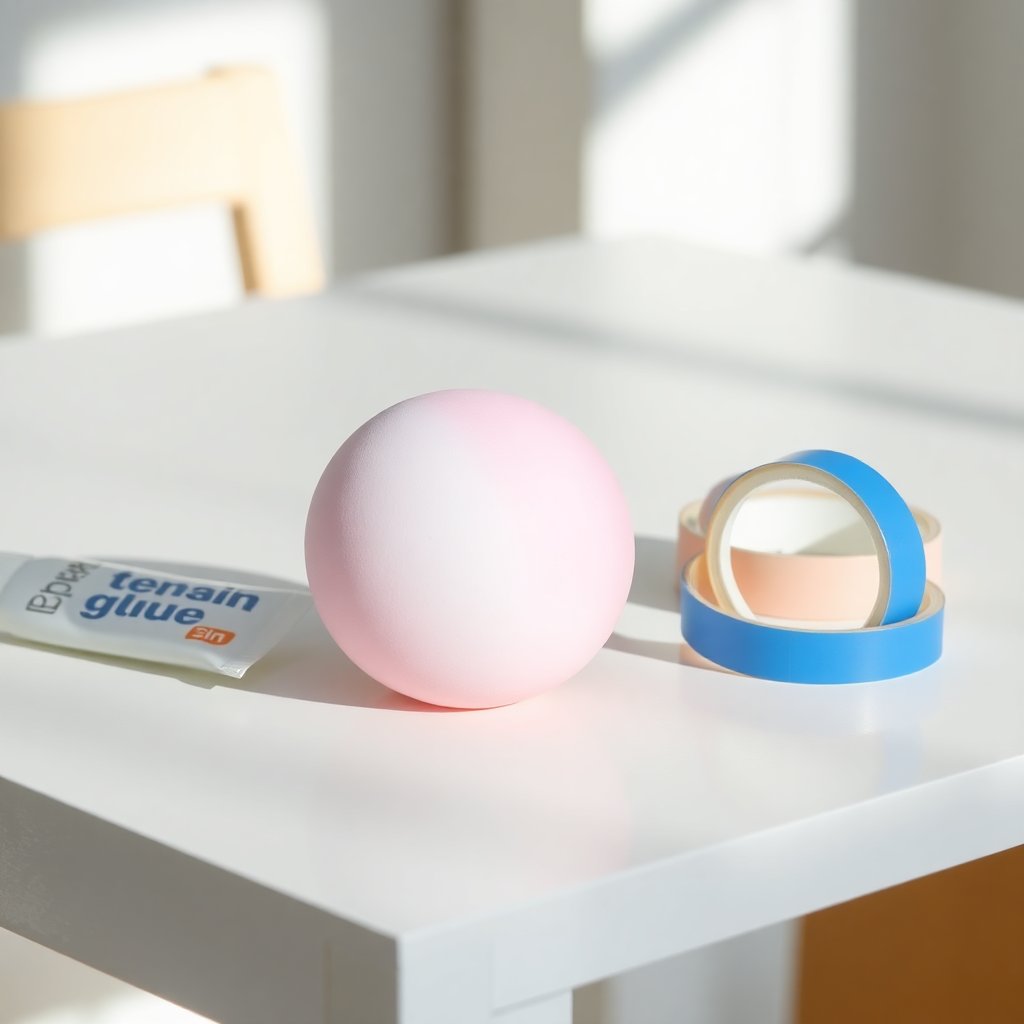
Every squishy collector eventually hears the sound: a soft pop, followed by a sticky trickle across the desk. A favorite gel squishy has sprung a leak, a foam squishy has a crack running down its side, or a plush has burst a seam. Before you throw it out, it is worth knowing which kinds of damage can be fixed, which repairs actually last, and which situations mean the squishy should go straight in the trash.
This guide covers repairs for the three main squishy types, the supplies that work, how to clean up spilled filling safely, and when replacing is the smarter call, especially for squishies that belong to younger kids.
Affiliate disclosure: some links below are Amazon affiliate links, and Squishy Scene may earn a small commission if you buy through them, at no extra cost to you.
Safety First: When Not to Repair
Some damage is not worth fixing, no matter how loved the squishy is. Throw it away if:
- It belongs to a young child. Kids under 3 should not have access to broken squishies at all, and even older kids who still mouth or chew toys should get a replacement rather than a patched toy. Repair glue, tape, and loose filling are not things you want near a mouth.
- The filling is leaking freely. A large split in a gel or bead-filled squishy will keep leaking even after patching.
- The skin has turned brittle, sticky, or crumbly. That usually means the material is breaking down and will tear again next to any repair.
- It smells strongly of chemicals or the filling has changed color. Do not try to save it.
- It was heated in a microwave or left somewhere hot. Heat-damaged squishies weaken unpredictably. Our explainer on why you should never microwave a NeeDoh covers why.
The U.S. Consumer Product Safety Commission keeps a toy safety education center with recall alerts and guidance on age-appropriate toys. A good general habit is to check toys regularly for damage and repair or toss broken ones right away, and that applies to squishies too.
Step 1: Clean Up the Spill
Before any repair, deal with whatever leaked out.
Gel or dough filling: Scrape up as much as you can with a paper towel or an old plastic card. Wipe the area with warm, soapy water. Most squishy gels are water-based and come off fabric with dish soap and a gentle scrub, though stains on light fabrics may need a second wash.
Beads or water beads: Pick up every bead you can find, especially if there are toddlers or pets in the home. Water beads in particular are a known swallowing hazard and can expand inside the body. If you think a child or pet has swallowed any filling, call your doctor, vet, or Poison Control (1-800-222-1222 in the U.S.) right away.
Foam crumbs: Vacuum them up. Foam crumbs are not toxic in small amounts but are a choking hazard for little kids.
Wash your hands after handling any leaked filling, and wash the squishy's surface before trying to patch it. A clean, dry surface is the only way glue or tape will stick.
Repairing Gel and Dough Squishies (NeeDoh-Style)
Gel and dough-filled squishies, like NeeDoh and similar stress balls, are the hardest to fix because they are under constant pressure every time you squeeze them. Small pinhole leaks can usually be patched. Large splits usually cannot.
What works for small pinholes and short tears:
- Push the filling away from the hole. Squeeze gently so the filling moves to the opposite side, leaving the damaged area as flat and empty as possible.
- Clean and dry the area. Wipe with a little rubbing alcohol on a cotton swab, then let it dry completely.
- Apply a flexible glue. A flexible, rubber-compatible adhesive, such as a clear silicone-based or rubber-safe glue, holds better than rigid super glue, which cracks as soon as the squishy flexes. Apply a thin layer that extends a little past the edges of the hole.
- Let it cure fully. Follow the glue's cure time, often 24 hours. Do not squeeze it during this time.
- Test gently. Squeeze softly over a paper towel. If it holds, it may last for months of light use. If it weeps again, it is time to retire it.
→ Shop flexible clear rubber repair glue on Amazon
Realistic expectations: A patched gel squishy will never be as strong as a new one, and it should not go back to rough squeezing or throwing. Many collectors keep a patched favorite on the shelf and use a replacement for daily stress relief.
Repairing Slow-Rise Foam Squishies
Foam squishies, the slow-rising kind shaped like buns, fruit, and animals, crack and tear more often than they leak. Small cracks are very fixable.
For small cracks and tears:
- Clean the area with a slightly damp cloth and let it dry.
- Apply a thin layer of flexible fabric glue or a squishy-safe sealant inside the crack.
- Press the edges together gently and hold for a minute.
- Let it cure for a full day before squishing.
For surface scuffs and dirt in cracks: Clean before repairing. Our guide on how to clean squishies explains how to wash foam without making it sticky.
Optional cover-up: Once the glue is dry, some collectors use a thin layer of flexible sealant or matte finish to hide the repair line. Test any product on the bottom of the squishy first.
→ Shop flexible fabric glue on Amazon
Repairing Plush Squishies (Squishmallow-Style)
Plush squishies are the easiest to fix because a popped seam is just a sewing job. If you can thread a needle, you can repair it.
- Find the seam. Most plush tears happen along an existing seam, which is good news because it can be closed almost invisibly.
- Push any loose stuffing back inside. If stuffing has been lost, add a little polyester fiberfill.
- Use a ladder stitch. Also called an invisible stitch, it hides the thread inside the seam. Match the thread color as closely as you can.
- Knot securely and bury the tail. Push the needle back into the plush and out a few inches away, then trim the thread flush.
For tears in the middle of the fabric (not on a seam), a small iron-on patch on the inside works, though it is more fiddly. A matching fabric patch stitched on top can look cute and intentional.
→ Shop plush toy sewing repair kits on Amazon
Why Squishies Pop in the First Place
Knowing the cause helps you prevent the next one.
- Overfilling or overstretching. Pulling or stretching gel squishies is the number one cause of leaks.
- Cold damage. Gel squishies firm up in the cold, and squeezing them hard while stiff can crack the skin. See our winter squishy care guide for safe ways to soften one up.
- Sharp edges. Keys, pens, and backpack zippers puncture squishies constantly.
- Age and wear. Even well-cared-for squishies eventually break down. Skin that turns tacky or thin is a warning sign.
- Pets. Dogs and cats love squishies, and one bite is often fatal for the toy.
Prevention Tips
- Squeeze, do not stretch. Gel squishies are built for squeezing, not pulling.
- Store them away from sharp objects. A soft pouch or a display bin keeps them safe.
- Keep them at room temperature. No hot cars, no windowsills in summer, no radiators.
- Rotate your favorites. Giving one squishy a rest while you use another spreads out the wear.
- Check for weak spots. If you see a thin or bulging area, retire that squishy from heavy use before it pops.
→ Shop squishy storage pouches and bins on Amazon
When a Replacement Is the Better Buy
Most gel squishies and small foam squishies are inexpensive enough that a replacement is often the simplest fix, especially for kids. Repair makes the most sense for rare, retired, or sentimental squishies, or for plush squishies where a quick stitch fully restores the toy.
If you are replacing a popped favorite, it can also be a good moment to try something sturdier. Many collectors find thicker-skinned gel squishies and well-sewn plush hold up better to daily use.
→ Shop stress ball squishies on Amazon
The Bottom Line
Small pinholes in gel squishies and cracks in foam squishies can often be patched with a flexible, rubber-compatible glue, and popped plush seams are an easy sewing fix. Large leaks, brittle skin, and anything belonging to a toddler are better replaced than repaired. Clean up spills carefully, keep loose filling away from little kids and pets, and treat a patched squishy as a gentle-use favorite rather than a daily stress ball.
Squishy Scene is an Amazon Associate and earns from qualifying purchases. This article contains affiliate links; if you buy through them we may earn a small commission at no additional cost to you.
More to squish
More Squishy Guides
Reviews, restock intel, and the squishies worth your money.