Is the Mystery Dumpling the New Labubu?
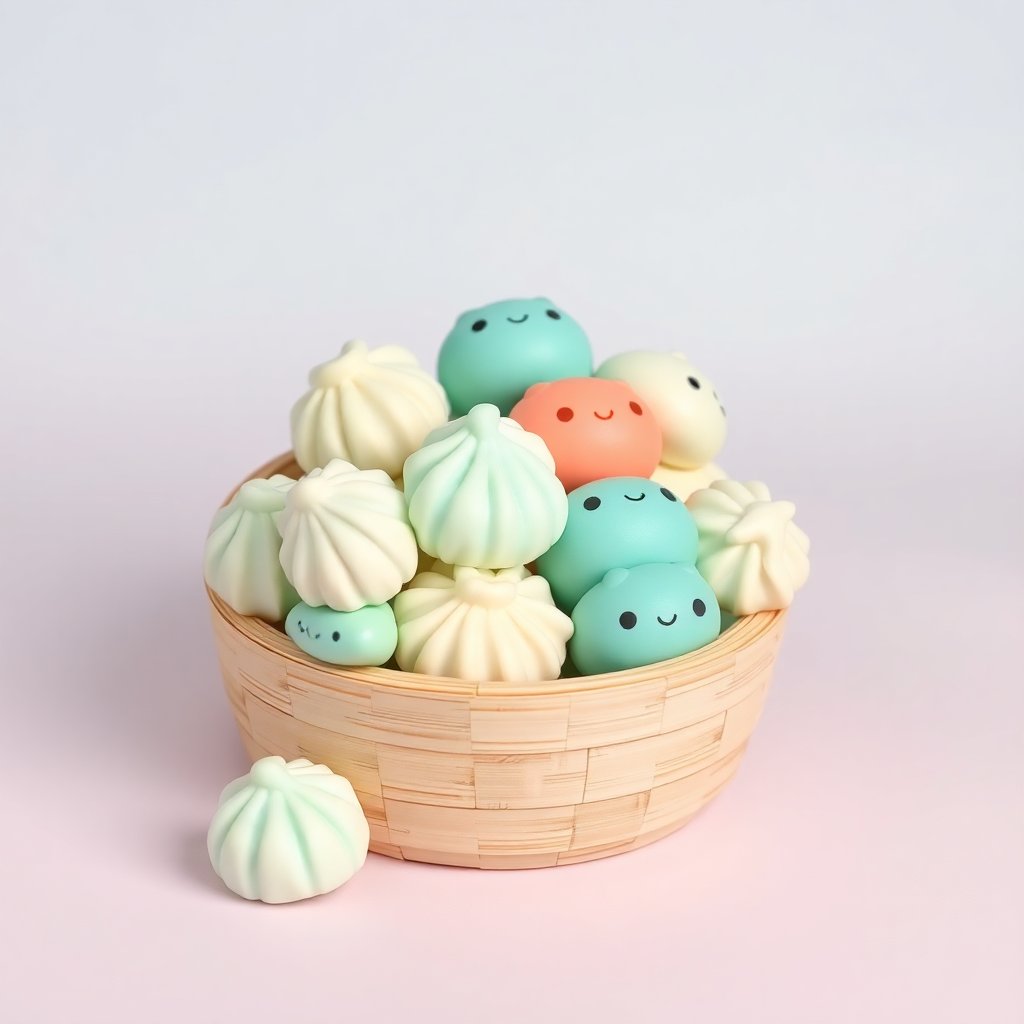
Every few years a small, squishable character breaks containment and takes over toy aisles, unboxing feeds, and resale listings all at once. Labubu did it. Now the RMS Mystery Squishy Dumpling is doing it too, and the comparisons write themselves: a cute face, a low sticker price, a blind-box gamble, and chase variants that make grown adults refresh Five Below inventory pages at 8 a.m.
So is the dumpling actually "the new Labubu," or is that just a headline? Having watched this category closely, the honest answer is: yes in the ways that matter for collectors, and no in a few ways that are worth understanding before you sink real money into the steamer basket.
What the Mystery Dumpling actually is
The product is a silicone bao (a little steamed bun with a printed face) that arrives tucked inside a mini bamboo steamer, sold as a roughly $5 blind box. You do not know which one you are getting until you open it, and that is the entire point. The RMS / Crazy Fun USA line uses tiered rarity, running from commons up through glitter, holographic, UV-reactive, and the coveted golden glitter dumplings. There are 33+ variants floating around, plus oversized versions all the way up to a 12-inch Super Mega bun.
The numbers are the headline. The line has moved 40M+ units, and Earthbound Brands announced it is expanding the dumpling into a licensed lifestyle brand in August 2026. That is not a fad footnote; that is a company betting the character has legs beyond the squishy aisle. If you want the full breakdown of tiers and how to read them, our mystery dumpling variant guide walks through every rarity level.
- Price: around $5 per blind box; price varies by retailer
- Where to buy: primarily Five Below, plus Walmart, Amazon, Michaels, and TikTok Shop
- Rarity ladder: commons to glitter to holographic to UV to golden glitter
- Chase resale: the hardest pulls trade hands for $100 to $337 and up
Where the Labubu comparison holds up
The Labubu playbook and the dumpling playbook rhyme in three big ways.
The blind-box mechanic. Labubu built its cult on mystery-box drops where you chase specific figures across a series. The dumpling does the exact same thing with rarity tiers, so the dopamine loop of "will this be the golden one?" is identical. That mechanic is why people buy in quantity instead of one and done.
The scarcity and resale economy. Both live and die on chase pulls. Labubu secondaries went genuinely wild, and dumpling chases have followed, with golden glitter and UV variants reselling far above the $5 shelf price. When a $5 toy resells for $300, you have a collectible market, not just a toy.
The character-first identity. Labubu is a face you recognize instantly. The dumpling is building the same thing, and Earthbound's licensing push is exactly the move that turns a viral squish into apparel, plush, and beyond. If you are tracking where this goes next, the rumors page is where we collect the licensing and drop chatter.
Where it does not (yet) hold up
Labubu had a designer pedigree and years of art-toy credibility behind it before it went fully mainstream. The dumpling is a more populist, pocket-money phenomenon, which is honestly part of its charm but also means the ceiling and the culture around it look different. Labubu buyers often came from adult art-toy collecting; dumpling buyers skew younger and broader, funneled through Five Below's checkout aisle rather than boutique drops.
The other difference is dupes. Labubu counterfeits are a known plague, and the dumpling has the same problem in its own way. Which brings us to the part you cannot skip.
Real vs. fake: do not get burned
Because the dumpling sells in the tens of millions, knockoffs are everywhere. Two quick authentication checks separate the real thing from the pretenders:
- Look for the RMS / Crazy Fun USA logo on the packaging and product
- Check the steamer base: authentic versions have a solid, no-hole base, while many dupes have a hole
Known dupe lines include "Puka Creations" and a wave of generic Temu and Shein sellers. A fake will not carry chase-tier resale value, and it often feels off in the silicone. If a listing is priced suspiciously low or ships from an unfamiliar third party, slow down. You can compare authentic details against our full breakdown on the mystery squishy dumpling page before you commit.
For the official retail experience and the running promos, Five Below's site is the primary source, and it is where the Golden Ticket Dumpling sweepstakes ran May 16 through July 31, 2026, dangling a $1,000 spree for lucky openers.
The resale economy, explained honestly
It is worth spelling out how the money side actually works, because the headlines about $337 pulls can warp expectations. In a blind-box line, the vast majority of what you open is common. That is by design; the commons subsidize the thrill of the rare pulls, and they are what keep the entry price at around $5. When you buy a case, statistically you are buying mostly duplicates and commons with a small chance at something special.
The chases that command real money are a narrow slice: golden glitter, UV-reactive, and a handful of holographic variants. Those are the ones that resell into the hundreds, and they do so precisely because they are hard to pull and easy to authenticate. If you are budgeting, assume most of your spend produces commons you will trade or gift, and treat any chase as found money. That framing keeps the hobby fun instead of turning it into a slot machine you resent.
The Labubu resale market went through the same arc: early scarcity, wild secondary prices, then a gradual settling as supply caught up and the initial frenzy cooled. Expect the dumpling to follow a similar curve. The smart collector buys the characters they love, keeps the chases they pull, and does not overpay on secondary markets during a hype spike, because prices on hyped collectibles almost always soften once the drop is no longer brand new.
How the culture compares day to day
Beyond the numbers, the lived experience of collecting these two is different in a way that is fun to notice. Labubu culture grew up around curated drops, designer collaborations, and a certain art-toy prestige. Dumpling culture is more spontaneous and communal: people filming Five Below hauls, trading duplicates in group chats, and celebrating a golden pull like a lottery win. Neither is better; they just attract slightly different crowds, and the dumpling's low barrier is exactly what makes its community so big and so loud online.
Should you buy in?
If you love the hunt, the dumpling is one of the most accessible collectibles going right now. Around $5 per pull is a low barrier, the character is genuinely cute, and the tiered rarity gives you something to actually chase. If you are buying purely as an investment, temper expectations: most pulls are commons, and only the top-tier chases command big resale. Buy because you enjoy opening them, and treat any valuable pull as a bonus.
Ready to start your own steamer stack? Here are solid entry points on Amazon.
As an Amazon Associate, Squishy Scene earns from qualifying purchases at no extra cost to you.
- → Shop Mystery Squishy Dumpling blind boxes on Amazon
- → Shop the Jumbo Bao Bun squishy on Amazon
- → Shop a Bao Bun squishy 2-pack on Amazon
Frequently Asked Questions
Is the Mystery Dumpling really outselling Labubu?
They are not tracked head to head, so a clean sales comparison is not available. What we can say is the dumpling has moved 40M+ units and is being expanded into a licensed brand, which puts it in genuine Labubu-tier cultural territory even if the collector cultures differ.
How much do chase dumplings resell for?
The hardest pulls, like golden glitter and UV-reactive variants, have resold anywhere from around $100 to $337 and up. Most boxes contain commons, though, so treat big resale value as the exception rather than the rule.
How do I know if my dumpling is authentic?
Check for the RMS / Crazy Fun USA logo and inspect the bamboo steamer base. Authentic versions have a solid base with no hole, while many dupes leave a hole in the bottom.
Where is the best place to buy them?
Five Below is the primary retailer and usually the cheapest at around $5, and it hosts official promos. Walmart, Amazon, Michaels, and TikTok Shop also carry them, which helps when your local Five Below is picked clean.
Squishy Scene is an Amazon Associate and earns from qualifying purchases. This article contains affiliate links; if you buy through them we may earn a small commission at no additional cost to you.
More to squish
More Squishy Guides
Reviews, restock intel, and the squishies worth your money.