Real vs Fake Mystery Dumpling: How to Spot Counterfeits
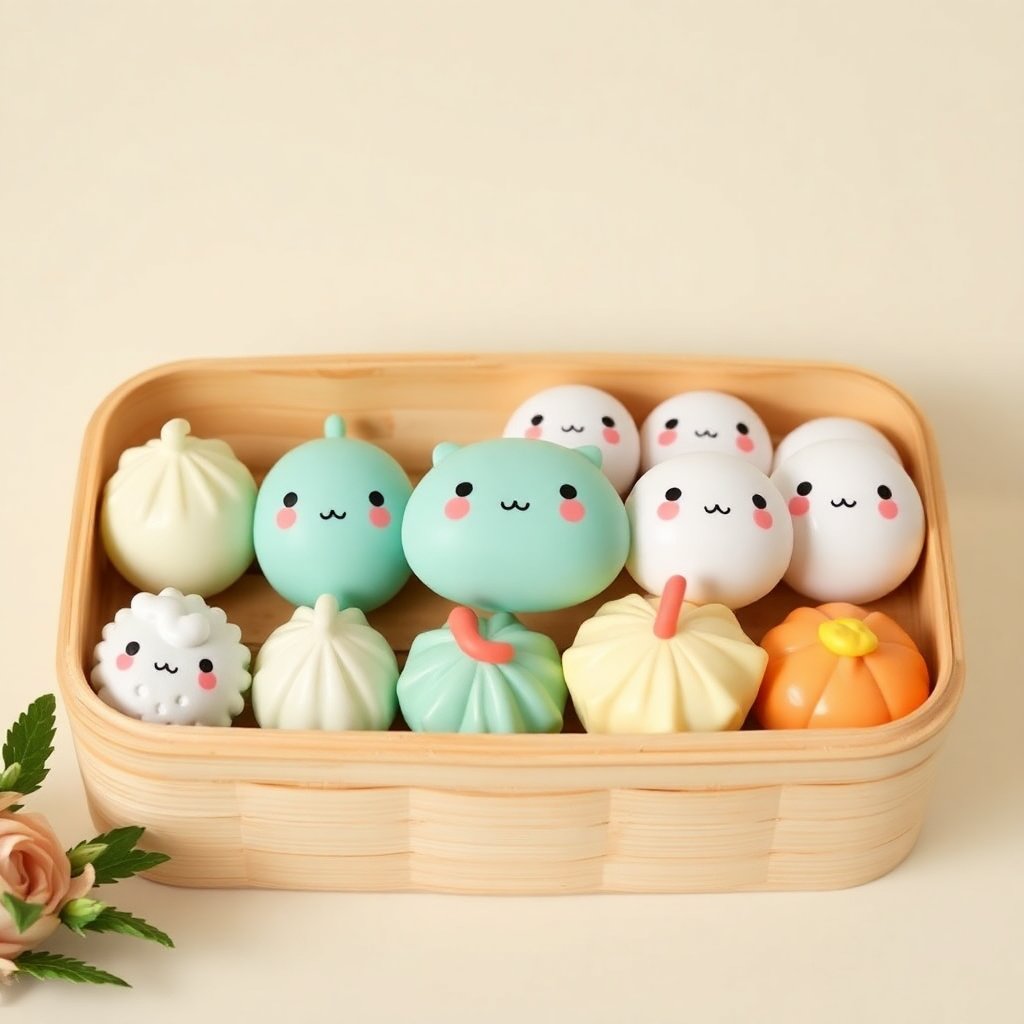
With over 40 million Mystery Squishy Dumplings sold and rare chases reselling for hundreds of dollars, counterfeiters have flooded the market with knockoffs. If you are paying real money for a chase pull or just want the genuine squish-and-steamer experience, knowing how to tell a real RMS dumpling from a fake is essential. The good news: the tells are pretty easy to spot once you know where to look.
This guide walks through the exact authenticity markers, names the common dupe sellers to avoid, and gives you a quick pre-purchase checklist so you never overpay for a counterfeit.
Counterfeiting tends to scale with hype, and the Mystery Dumpling is one of the most hyped squishes of 2026. When a $5 blind box can hide a piece worth several hundred dollars, opportunists rush in to mimic the packaging and cash in on shoppers who do not know the tells. That is why a couple of minutes of authentication before you buy pays off, whether you are grabbing a single box for fun or hunting a specific chase to complete a set.
Affiliate disclosure: some links below are Amazon affiliate links, and we may earn a small commission if you buy through them at no extra cost to you.
The Two Markers That Matter Most
Authenticating a Mystery Squishy Dumpling comes down to two reliable signals. Get both right and you are almost certainly holding the real thing.
1. The RMS / Crazy Fun Logo
Genuine dumplings are made by RMS under the Crazy Fun USA brand, and authentic packaging carries the RMS / Crazy Fun logo. Look for it printed clearly on the blind box and any inserts. Counterfeits either omit the logo entirely, use a blurry or slightly-off version, or slap on a generic "squishy dumpling" label with no brand at all. If the branding looks smudged, misspelled, or missing, treat it as a red flag.
2. The Solid, No-Hole Steamer Base
This is the single most useful physical tell. An authentic dumpling ships in a mini bamboo steamer with a solid base that has no hole. Many fakes reuse cheaper steamer molds with a hole or gap in the bottom. Flip the steamer over: a real one has a clean, closed base, while a knockoff often shows a hole, a rough seam, or thin flimsy material.
Together, the logo and the solid steamer base are your two anchor checks. If you want the genuine article to compare against, browse the verified Jumbo Bao Bun on Amazon or a Bao 2-pack from a reputable listing. You can also search the current Mystery Squishy Dumpling blind boxes on Amazon to see how authentic listings are described before you commit.
Common Dupe Sellers to Avoid
Certain names come up again and again in the counterfeit conversation. Watch out for:
- Puka Creations — a frequently cited dupe brand producing look-alike dumplings without the RMS licensing.
- Generic Temu and Shein sellers — mass-market listings of unbranded silicone dumplings, often bundled cheaply. They may squish fine, but they are not the authentic collectible and hold no resale value.
- "Guaranteed rare" loose listings — any seller promising a specific rare pull outside a sealed blind box is either repackaging or faking. Rarity is random by design.
None of these carry legitimate RMS branding, and buying them as "real" chases is how collectors get burned. Stick to sealed boxes from the primary retailer, Five Below, or trusted stockists like Walmart, Amazon, Michaels, and the official TikTok Shop. You can cross-check current authentic stock on Five Below's site.
It is worth stressing that not every dupe is trying to scam you outright. Some are sold honestly as generic "squishy dumplings" at a dollar or two, and if you just want a cheap squish to fidget with, that is a fine purchase. The problem starts when a dupe is passed off as an authentic RMS collectible at a collectible price, or when a fake is slipped into a lot of "real" pulls. The markers below help you keep those two worlds separate so you always know exactly what you are paying for.
Other Warning Signs
Beyond the two big markers, these smaller cues help you spot a fake:
- Suspiciously low bulk pricing. A sealed authentic blind box runs around $5. Listings dumping "50 dumplings for $20" are almost always counterfeits.
- No steamer at all. The mini bamboo steamer is core to the product. A dumpling sold without one is a generic squish, not the real deal.
- Off silicone smell or texture. Cheap knockoffs often use lower-grade silicone that feels sticky, smells strongly of chemicals, or tears easily.
- Sloppy packaging. Crooked labels, wrong fonts, and low-resolution artwork all point to a fake.
- Too-good chase odds. If a seller claims most of their boxes contain golden glitter or holographic pulls, that contradicts how the real rarity tiers work.
A Quick Pre-Purchase Checklist
Run through this before you buy, especially for higher-priced chase pieces:
- Does the packaging show the clear RMS / Crazy Fun logo?
- Is the steamer base solid with no hole?
- Is it a sealed blind box rather than a loose "guaranteed rare"?
- Is the price near the $5 retail mark rather than a suspicious bulk deal?
- Is the seller a known retailer or a random marketplace account?
Tick all five and you can buy with confidence. Miss two or more and walk away.
Why Authenticity Is Worth the Effort
The Mystery Dumpling craze has real money riding on it, with chase pieces reselling from $100 to $337 or more. Counterfeits not only cheat you out of the genuine collectible, they also erode resale value if you ever decide to trade. Earthbound Brands is expanding the dumpling into a licensed lifestyle brand in 2026, which will likely make official branding even more important to verify going forward.
For more on the collecting side, see our full Mystery Dumpling variant and rarity guide to learn which tiers are worth chasing. If you collect more than dumplings, our broader guide on how to spot fake squishies covers authentication across brands. And for the core profile, visit the Mystery Squishy Dumpling page.
What to Do If You Bought a Fake
If you already picked up a counterfeit, do not panic. Start by documenting the problem with clear photos of the missing logo or the hole in the steamer base, then contact the seller or marketplace for a refund. Most major platforms have counterfeit policies that favor the buyer when you can show the item is not authentic. If you paid through a card or a service with buyer protection, a dispute is another route to your money back. Going forward, keep your receipts and packaging for anything you plan to resell, since a documented purchase history from a known retailer is itself a form of authenticity that future buyers will value. The counterfeit market thrives on rushed, uninformed buying, so the simple act of slowing down and running the checklist is your best long-term defense.
Frequently Asked Questions
How can I tell if a Mystery Dumpling is real?
Check two things: the packaging should carry the RMS / Crazy Fun logo, and the mini bamboo steamer should have a solid base with no hole. If either is missing or looks off, it is likely a counterfeit.
What are the most common fake dumpling brands?
Puka Creations is a frequently cited dupe brand, and generic Temu and Shein sellers push unbranded silicone dumplings. None carry legitimate RMS licensing, so they are not authentic collectibles.
Why does the steamer base matter?
Authentic dumplings come in a bamboo steamer with a solid, closed base. Many fakes reuse cheaper molds that have a hole in the bottom, so flipping the steamer over is one of the fastest ways to catch a counterfeit.
Are cheap Temu dumplings dangerous?
They are not necessarily unsafe, but they use lower-grade silicone that can smell strongly, feel sticky, or tear. They also hold no resale value. If you want the genuine collectible, buy sealed from a known retailer instead.
Squishy Scene is an Amazon Associate and earns from qualifying purchases. This article contains affiliate links; if you buy through them we may earn a small commission at no additional cost to you.
More to squish
More Squishy Guides
Reviews, restock intel, and the squishies worth your money.